Understanding Varicose Veins: Causes, Symptoms & Prevention
What you should know before and after treatment
The decision to undergo varicose vein treatment
Many people notice the first signs of varicose veins only when things are already progressing — maybe a few visible veins, a slight heaviness, or tired legs at the end of the day. What seems harmless at first can actually be the beginning of a vein issue. In this guide, we’ll explain how varicose veins develop, how to recognize the early signs, what you can do to prevent them, and when it makes sense to seek medical advice.

How to Recognize Varicose Veins
How to Recognize Varicose Veins
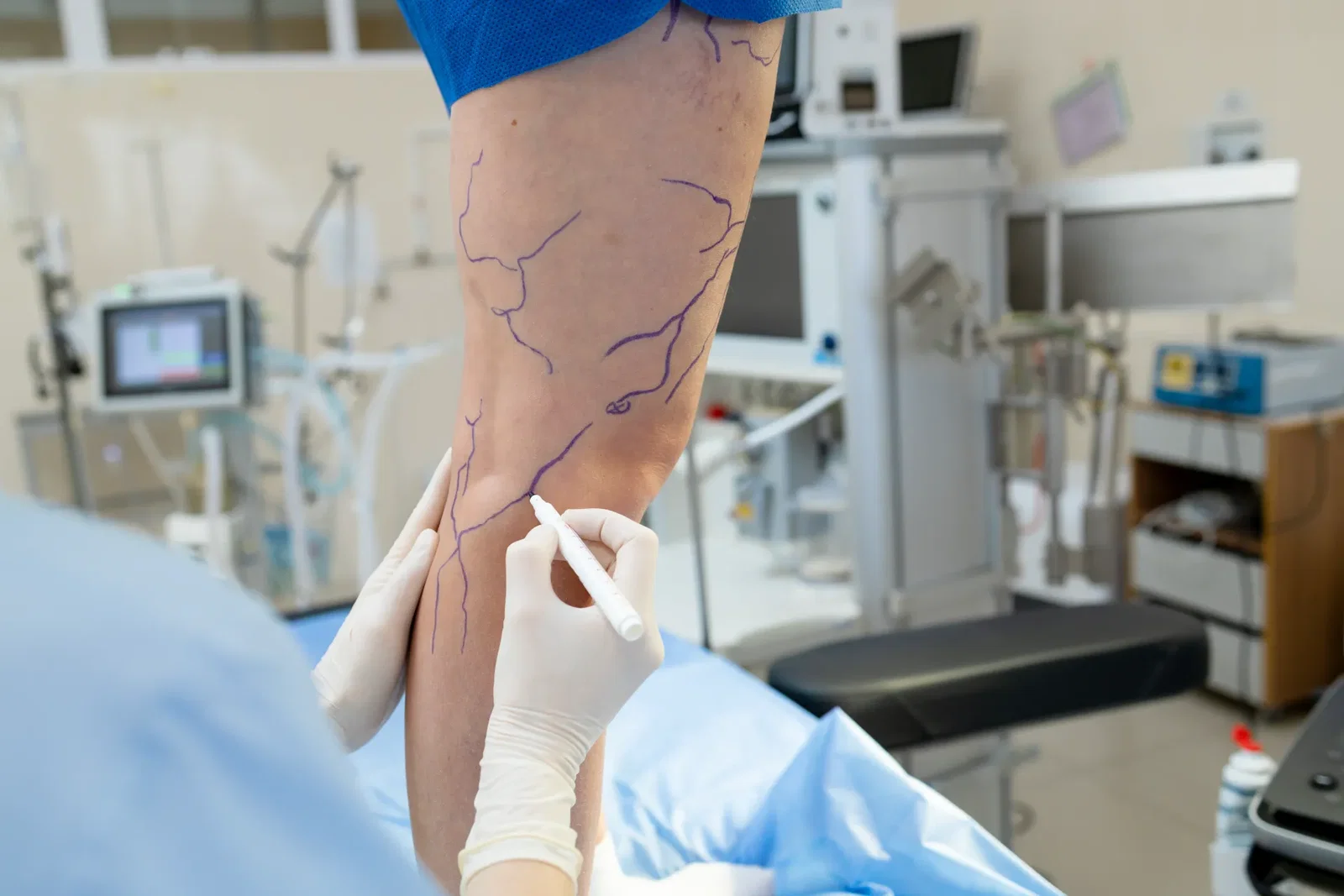
Varicose veins – also called varices – are enlarged, twisted veins that usually appear on the legs. But not every visible vein is dangerous or diseased. Typical symptoms of varicose veins include:
A feeling of heaviness or fatigue in the legs, especially in the evening
Swelling around the ankles
Aching or throbbing pain, especially when standing for long periods
Visible, bulging bluish veins on the surface of the skin
Nighttime leg cramps
Itching or a tight sensation around the veins
Symptoms often get worse over the course of the day and improve when you lie down or elevate your legs. In more advanced stages, you might also notice skin changes, discoloration, or even open sores (leg ulcers).
That’s why it’s worth paying attention early. The sooner you get a proper diagnosis, the easier it is to avoid complications and get back to feeling comfortable.
Why varicose veins develop
What Causes Varicose Veins?
So how do varicose veins happen? At the root of the problem is a weakening of the vein walls and valves. These valves normally ensure that blood flows upward toward the heart. When they stop functioning properly, blood begins to pool in the legs — leading to pressure, bulging, and eventually, visible varicose veins.
There are several known risk factors:
Genetics
If your parents or grandparents had varicose veins, your risk is higher.
Hormones
Pregnancy, hormonal birth control, or menopause can affect vein elasticity.
Sedentary lifestyle
Lots of sitting or standing disrupts proper circulation.
Being overweight
Extra body weight puts more pressure on the veins.
Age
As we get older, veins naturally lose elasticity.
Occupational stress
Prolonged standing or sitting puts strain on the leg veins and promotes varicose veins.
Even if you're active and generally healthy, varicose veins can still develop — especially if they run in your family. That’s why prevention and early awareness are key.
Keep moving – Walking, cycling, or swimming regularly keeps your circulation strong.
Cool your legs – Cold showers or alternating hot/cold water helps tone your veins.
Elevate your legs – After long periods of sitting or standing, take a break with your feet up.
Choose flat shoes – High heels make it harder for blood to flow properly.
Maintain a healthy weight – Less pressure on your legs = less stress on your veins.
Drink enough water – Staying hydrated helps your blood flow smoothly.
When a medical examination is advisable
When Should You See a Doctor?
Many people put off visiting a specialist because their symptoms don’t feel “serious enough.” But here’s the truth: the earlier varicose veins are diagnosed, the easier they are to treat.
You should make an appointment with a vein specialist (phlebologist) if you experience:
- Clearly visible varicose veins
- Frequent heaviness, tightness, or pain in your legs
- Swelling, especially in the evening
- Skin changes or itchiness around the veins
- Nighttime leg cramps
Even seemingly cosmetic concerns like spider veins should be checked, as they sometimes signal deeper vein issues.
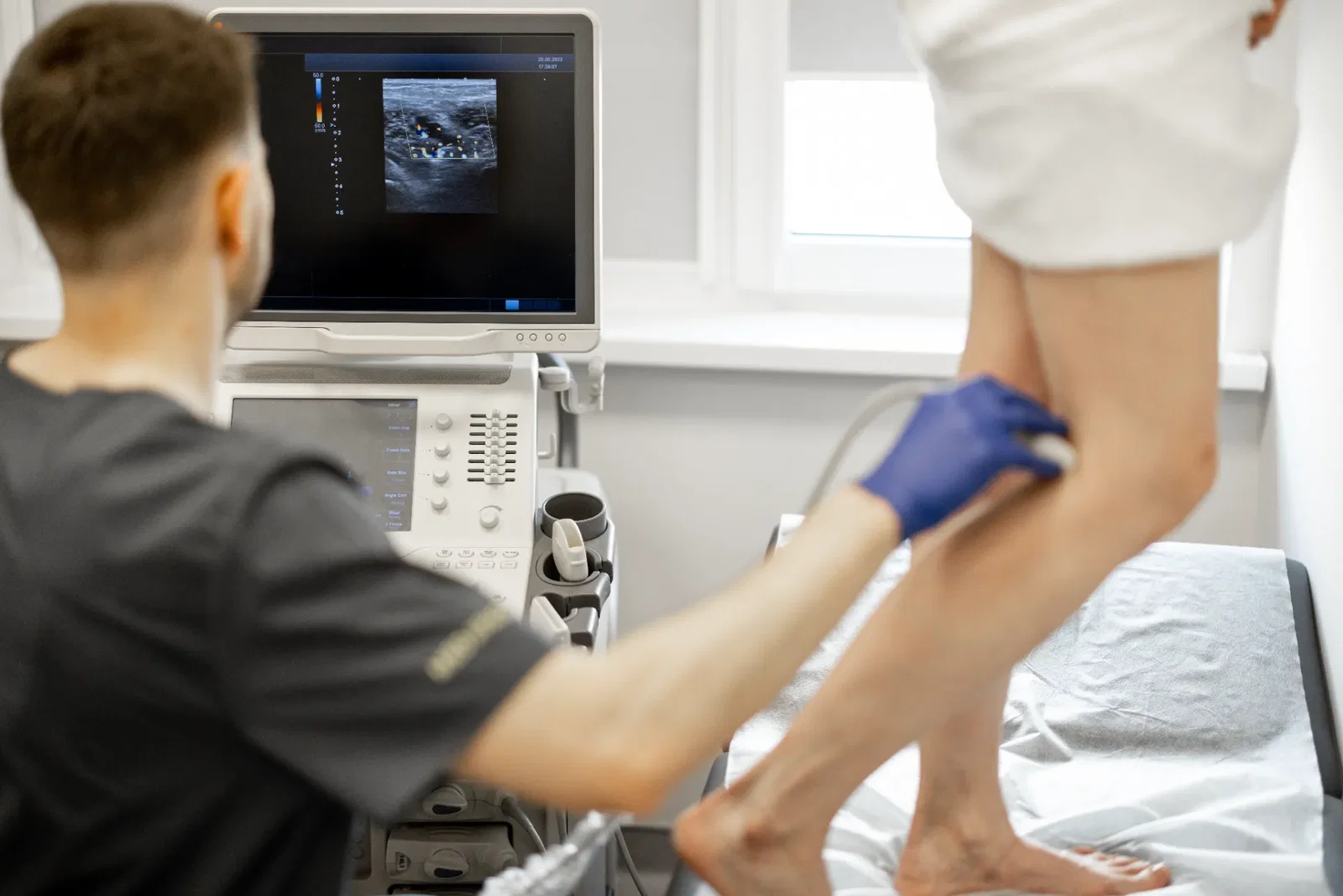
Thanks to modern diagnostic tools like duplex ultrasound, assessments are fast, gentle, and painless. And early treatment can help prevent more serious conditions like thrombosis or venous ulcers down the line.
Moderne Therapie statt Abwarten
Varicose Veins: Know the Signs – Act Early
Varicose veins don’t have to control your life. By learning to recognize the early signs, being aware of your personal risk factors, and staying proactive with check-ups, you can protect your legs and quality of life.
And if treatment is necessary, Angioclinic Zurich offers a full range of modern, gentle options — tailored to your needs and lifestyle.
Want to know more about our treatment methods?