Compression Therapy for Varicose Veins – What You Need to Know
Modern and effective
Understanding compression therapy for varicose veins
If you have varicose veins – or want to prevent them – you’ve probably heard of compression stockings. For many, the term still brings up images of thick, outdated socks. But forget what you think you know. Modern compression stockings are effective, comfortable, and even stylish.
In this guide, we’ll walk you through when compression makes sense, how to wear your stockings properly, and why they play such an important role in both prevention and recovery. No medical jargon – just practical advice from over 25 years of experience in vein care.
Used specifically
When Are Compression Stockings Useful?
Compression stockings can help in many situations – both medically and preventively. They apply graduated pressure to your legs, highest at the ankle and decreasing upward. This supports your veins, improves circulation, and reduces the chance of blood pooling.
Common reasons to wear them include:

During pregnancy
to manage swelling and reduce vein stress
With early-stage varicose veins
to relieve heaviness and discomfort
After treatments
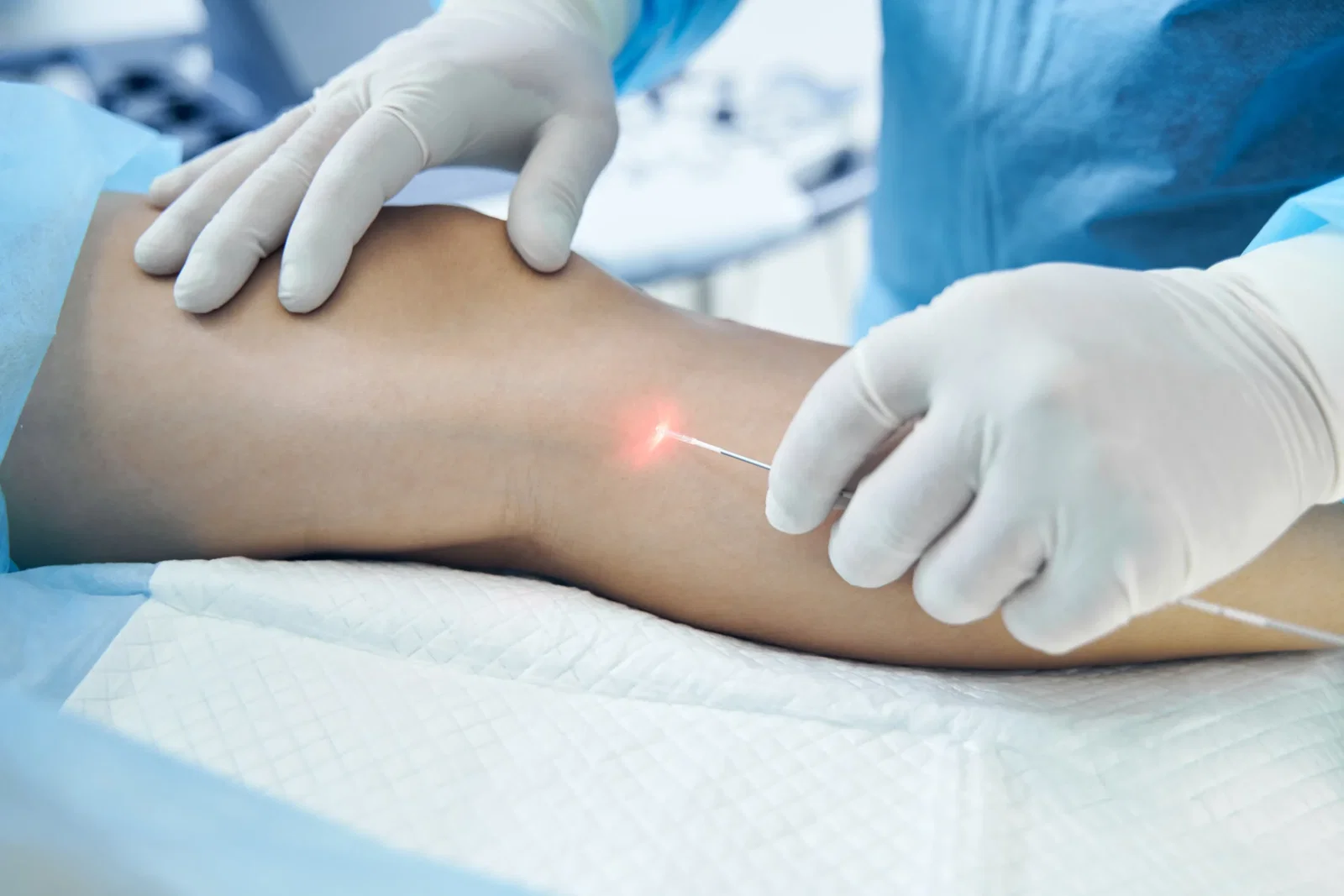
like laser therapy or sclerotherapy
When sitting or standing for long periods at workDuring long trips
Important: For patients who do not wish to wear compression stockings or who have difficulty putting them on, we offer alternative solutions, such as the invisible VenaFilm® film dressing.
Supports healing
Compression After Varicose Vein Treatment
After laser therapy or sclerotherapy, we typically recommend wearing compression stockings daily for a few days to a few weeks. The exact timeframe depends on your procedure and condition.

External pressure supports the healing vein

It helps prevent inflammation and bruising
Healing is usually faster and smoother
In most cases, you’ll only need to wear them for 5 to 14 days during the daytime. For some patients, a longer period might be suggested. Don’t worry – we’ll give you clear instructions tailored to your treatment.
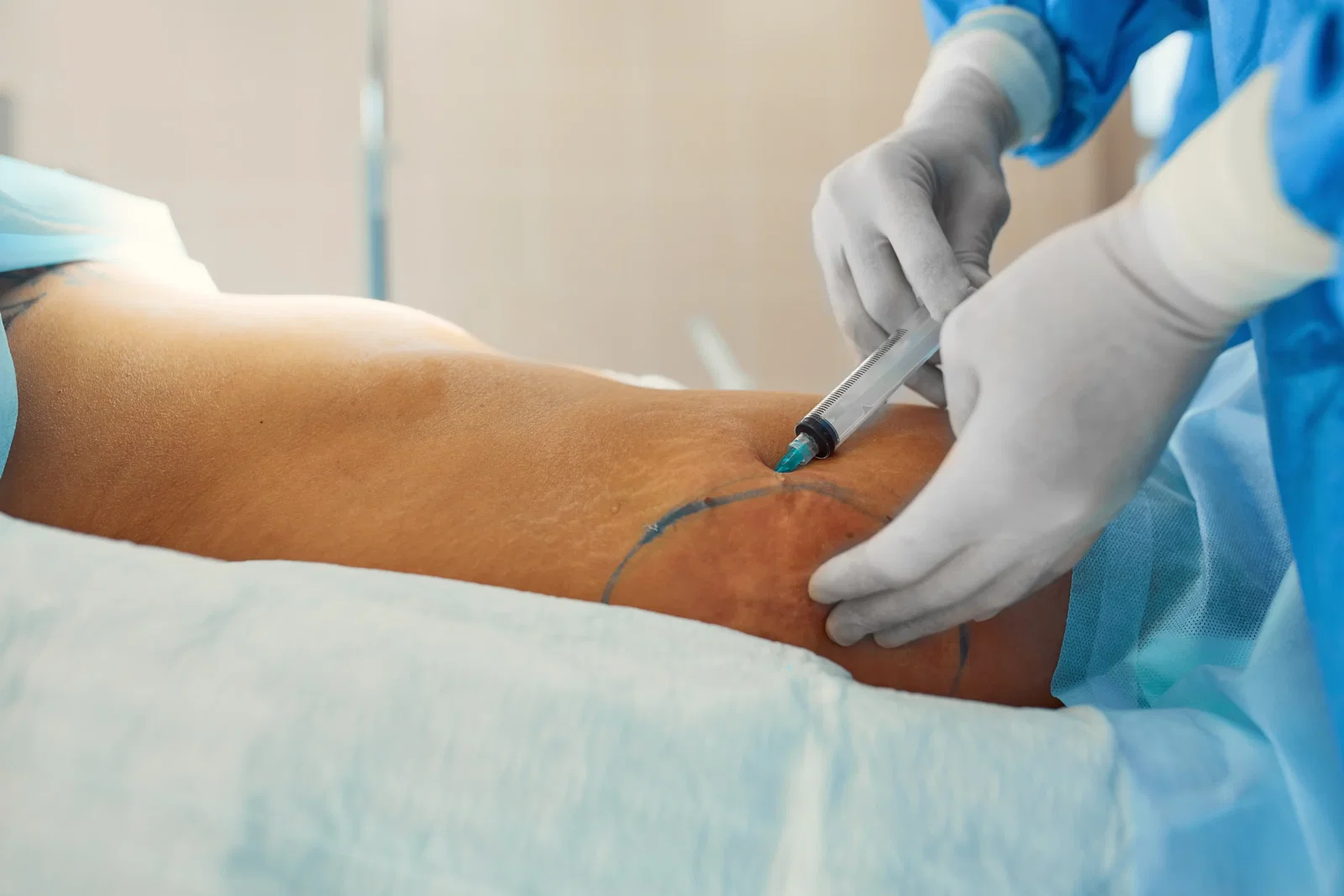
Relieve stress early
Can Compression Help Prevent Varicose Veins?
Absolutely – especially if you’re in a higher-risk group. That includes:
- Family history of vein problems
- Jobs involving long hours of sitting or standing
- Frequent travel (planes, cars)
- Pregnancy
Wearing light support stockings regularly (even without a prescription) can help delay or prevent the development of varicose veins. Today’s designs look just like regular tights or dress socks – but with real medical benefits.
Wondering if compression could help you?
Book your appointment now – we’re happy to advise you.
Used correctly
Everyday Tips for Wearing Compression Stockings
To get the most benefit, wearing your stockings correctly is key. Here’s how:
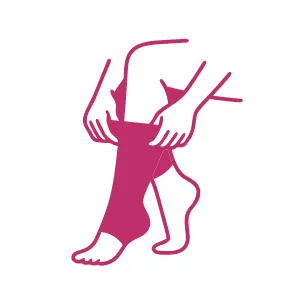
Put them on in the morning
before your legs swell
Don’t fold or roll them down
as this reduces effectiveness
Follow the care instructions
usually wash at 30–40°C, no fabric softener
Rotate daily
ideally have two or more pairs
At first, they may feel snug – especially higher-grade ones. Special gloves or donning aids can make it easier. After a few days, most people forget they’re even wearing them.
Individually tailored
Compression stockings – Small Change, Big Impact
Compression stockings aren’t outdated – they’re a smart, effective way to support your vein health. Whether you’re recovering from a treatment or simply want to feel better after a long day, good compression can make a big difference.
With the right advice and the perfect fit, you’ll feel lighter, more energized, and ready to take on the day. Let’s find the right pair for you.

Effective in everyday life
Which Compression Level Do You Need?
There are four standard compression levels (Class 1 to 4), depending on your condition:
Class 1
Light support – great for prevention or mild symptoms
Class 2
The most common level for varicose veins and post-treatment support
Class 3–4
Reserved for more serious vein disease (rarely needed)
At Angioclinic, we’ll help you choose the right level based on a thorough examination.